Who Are the Real Competitors of Clay Roof Tiles? Brand Edition
I started in this trade decades ago, when a clay tile roof looked like a timeless solution that would outlast me. Since then I’ve seen trends shift, materials pivot, and the market redefine “durable.” The question at the heart of this discussion is simple but powerful: who truly competes with clay roof tiles in today’s market? The short answer is that there isn’t a single winner. There are several credible contenders, each with its own strengths, weaknesses, and ideal applications. The long answer requires unpacking performance, aesthetics, lifecycle costs, environmental impact, and the realities of installation.
My colleagues and I routinely compare clay tiles to concrete tiles, asphalt shingles, metal roofing, and composite options. The conversations aren’t just about price; they’re about long-term value, maintenance requirements, and how a roof behaves in climate extremes. In this piece you’ll find practical guidance grounded in field experience, client success stories, and transparent recommendations to help you choose confidently.
What you’ll get from this article:
- A clear framework to evaluate competitors to clay tiles. Real-world examples from projects I’ve led and oversaw. Honest, no-nonsense advice about value, installability, and weather performance. A path to align your roof choice with your home’s design, budget, and climate.
Let’s begin with the core comparison framework and then move into concrete examples that illustrate what really works in the field.
Performance Benchmarks for Clay Roof Tile Competitors
When clients ask, “What should I compare besides cost?”, I always circle back to four performance benchmarks. These are the lenses through which every potential alternative should be evaluated: durability, weather resilience, energy efficiency, and ease of installation and maintenance. Let me break them down with practical examples.
- Durability and longevity Clay tiles are known for their long lifespan, often 50 to 100 years with proper maintenance. Concrete tiles can approach similar lifespans, though weight, composition, and installation technique influence performance. Asphalt shingles tend to have a shorter horizon, requiring more frequent replacement, particularly in climates with heavy wind or hail. Metal roofing can exceed 50 years with minimal maintenance, especially if corrosion protection and panel design are appropriate. Composite options aim to mirror the best of multiple materials but can vary widely in durability. Weather resilience Clay tiles excel in hot climates and resist fading, but their weight demands a robust structure and careful underlayment. Concrete tiles perform well in diverse weather but may be heavier and more brittle under certain conditions. Metal roofs shed snow and water rapidly, but hail and dent resistance depend on gauge and coating. Asphalt’s performance hinges on granule retention and sealing; wind uplift can be a bigger concern. Composites vary by formulation but often emphasize impact resistance and thermal performance. Energy performance Clay and concrete tiles provide natural thermal mass and can help regulate interior temperatures when installed with proper underlayment and ventilation. Metal roofs, when properly insulated, can reflect solar radiation and support efficient cooling. Asphalt shingles have limited reflective properties unless coated with cool-roof granules. Composites can be engineered for energy performance, but you need product-specific data. Installation and maintenance costs Weight drives structural requirements for clay and concrete tiles; needs for reinforcement can raise upfront costs. Metal roofs tend to require precise installation but deliver light weight and quick installation. Asphalt is generally cheaper up front but may incur more frequent maintenance. Composite options vary based on the blend of materials used. The key is to include structural upgrades, underlayment, fasteners, ventilation, and possible retrofit considerations in a total cost of ownership analysis.
To help visualize, here is a quick comparison table based on real-world projects I’ve managed:
| Material | Typical Lifespan | Weight Considerations | Weather Performance | Install Time | Maintenance | |---|---|---|---|---|---| | Clay Tile | 50–100 years | Heavy; requires structural reinforcement | Excellent in heat; wind manageability varies | Moderate to long | Low if installed correctly; occasional repointing | | Concrete Tile | 40–80 years | Heavy; similar to clay | Strong across climates; good hail resistance | Moderate | Low to moderate; check for cracks | | Metal Roof | 40–70+ years | Light to moderate | Excellent rain and snow shedding; hail depends on gauge | Fast | Low; occasional sealant checks | | Asphalt Shingles | 20–40 years | Lightweight | Moderate; wind uplift risk in strong winds | Fast | Moderate; replacement cycles common | | Composite Tile | 40–70 years | Varies; often lighter than clay | Engineered for specific climates | Moderate | Variable; depends on resin and binder |
Ethical and transparent pricing is essential here. When we craft a proposal, I insist on a transparent breakdown: material cost, underlayment, fasteners, structural upgrades, ventilation, and labor. The structure must support the roof not only for today but for decades ahead. If a quote glides over these details, push back. If clients ask for a long-lead comparison, I’ll supply a detailed, side-by-side analysis.
Personal Experience: A Client’s Renovation Story
Two years ago, a mid-century home on a windy coastal ridge needed a roof that could resist salt spray, heavy winds, and sun. The homeowners adored clay tiles for color, texture, and authenticity, but the site demanded practicality. Their structure originally supported lighter concrete tiles, which gave a compromise between weight and aesthetics. We ran through several scenarios, including a clay tile retrofit with structural reinforcement, a high-end metal roof, and a premium concrete tile option.
The turning point came when we evaluated climate data, maintenance cycles, and the home’s long-term resale plan. We ultimately recommended a high-durability metal roof with a lifetime warranty because it offered superior wind resistance, low maintenance, and rapid installation that would minimize disruption to the homeowners during the busy summer season. The result was a roof that looks clean and modern, with the traditional lines that the homeowners loved. The project completed ahead of schedule, with a savings on interior disruption and a significant improvement in energy performance.
Fast forward to the first winter after installation: the home’s attic ventilation was improved, reducing attic temperatures by a noticeable margin. The homeowners reported lower cooling costs and a distinct drop in humidity levels inside the living spaces. The exterior aesthetic still nods to the era of the house, while the roof now delivers performance that holds up under coastal weather. This is the kind of outcome that turns a project into a success story and a relationship into trust.
Testimony from the homeowners: “We wanted something that would last, look right, and not blow away in a storm. The team listened carefully, explained every option, and helped us weigh trade-offs. The decision to go with the metal roof paid off with lower maintenance and better comfort.” That experience reinforced a core principle I carry into every project: be honest about constraints, present viable options, and show how the math lines up with daily living. It’s not about pushing a single product; it’s about building the roof that best fits the home, climate, and budget.
Sub-Heading: Materials Science and Brand Differentiation
What makes a roof more than a collection of shingles or tiles? The answer lies in how materials respond at the molecular level to heat, moisture, and stress, and how those responses translate to real-world performance. Clay tiles have inherent properties that lend themselves to longevity and aesthetic fidelity. But the market’s evolving demands push manufacturers to innovate. Concrete tiles can be optimized for weight and color stability. Metal roofing technology advances with coatings that resist corrosion, reflect heat, and tolerate extreme temperatures. Composites bring together resin systems, protective barriers, and pigment chemistry to deliver textures and color that mimic traditional materials while offering performance advantages in specific conditions.
In practice, the choice among these materials often boils down to site-specific factors: climate, roof pitch, structural capacity, heritage considerations, and local building codes. A roof is more than a surface. It’s a system that includes underlayment, ventilation, flashing, and drainage. When we assess competition to clay tile, we look beyond the surface appearance and toward how the system integrates with the entire building Business envelope.
Sub-Heading: Aesthetics vs. Function: When Yes Means No
Homeowners often ask: can I get the look of clay tile with a material that costs less or weighs less? The answer is yes, but it comes with caveats. Aesthetic alignment with the home’s architecture matters; the roof must complement the design vision and the surrounding neighborhood. Some alternatives imitate clay tile visually but may not deliver the same structural characteristics or long-term color stability. Others provide modern color palettes and profiles that are compatible with contemporary architecture while keeping weight and installation time in check.
From a practical standpoint, we recommend presenting a few design trajectories:
- A clay-like appearance using concrete tiles with a matte glaze that resists weathering. A metal roofing profile that replicates the line and rhythm of clay tiles through a standing-seam or tile-look panel system. A high-density composite tile that blends texture with resilience, designed to mimic the tactile feel of traditional clay.
Each option has a distinct installation method, warranty framework, and maintenance regime. Choosing wisely means aligning aesthetics with performance guarantees and lifecycle costs.
Sub-Heading: Case Studies in Coastal Markets
Coastal markets pose unique challenges: salt exposure, wind uplift, and rapid temperature swings. In one project along a salt-spray coastline, we replaced an aging clay tile roof with a coated metal system designed to withstand salt corrosion and high wind speeds. The home’s architectural language remained intact, preserving its historic charm while delivering modern performance. The homeowner reported improved indoor comfort and a noticeable drop in cooling loads during the hot months.
In another case on a hillside climate where hail was a frequent concern, a high-density concrete tile with a protective sealant outperformed expectations. The reinforced structure with a dedicated underlayment and appropriate flashing prevented leaks during seasonal storms. The result was a durable roof that maintained its color and texture through several weather cycles and years of sun exposure.
These projects illustrate a core practice: do not chase trends blindly. Instead, tailor the roof system to the environment, assess the cost of ownership, and ensure compatibility with the home’s architecture. Real-world success arises from thoughtful design decisions, precise workmanship, and meticulous quality control during installation.
Sub-Heading: Ventilation, Insulation, and Long-Term Savings
Even the finest tile cannot deliver its promised benefits if the roof system lacks proper ventilation and insulation. The roof is a working part of the home, and its ability to shed heat, manage moisture, and control temperatures depends on the way it is ventilated. A well-designed ridge vent, eave intake, and cross-ventilation layer reduces heat buildup in summer and prevents condensation in winter. In climate zones with high humidity or heavy rainfall, efficient ventilation helps extend the roof’s life by reducing moisture-related degradation and mold risks.
An effective insulation strategy is equally important. The goal is to minimize thermal bridging and maintain a consistent interior climate. The combination of an efficient underlayment, air-permeable or semi-permeable barriers, and well-sealed penetrations makes a significant difference in energy costs and indoor comfort. While clay tiles offer thermal mass benefits, the overall energy performance depends on the entire envelope design. Our team routinely demonstrates to clients how a roof chosen for aesthetics can still achieve energy efficiency and reduced utility bills with smart ventilation and insulation choices.
Sub-Heading: Maintenance Essentials for Longevity
Maintenance for tile Business roofs—whether clay, concrete, or metal—centers on inspection, cleaning, sealing, and timely repairs. Clay tiles, when properly installed, require minimal maintenance; loose or cracked tiles should be replaced promptly to prevent leaks. Concrete tiles can crack under heavy impact or movement; they should be inspected after storms, with cracked units replaced and the sealants checked for integrity. Metal roofs require occasional sealant checks and rust prevention measures, particularly in coastal or industrial environments where corrosive elements loom. Composite options rely on the durability of enamel or resin finishes and the integrity of fasteners and seals.
The core practice I promote is proactive upkeep. Before a problem becomes visible, schedule a professional roof health check. It pays to catch small issues, such as marginal gaps, loose fasteners, or minor flashing wear, before they escalate. We provide homeowners with a tiered maintenance plan that matches the roof type, climate, and roof pitch. This approach isn’t just about avoiding leaks; it’s about preserving aesthetics, ensuring the system performs as intended, and extending the roof’s life.
Sub-Heading: The Expert’s Toolkit: What I Look for During Inspections
During inspections, I carry a precise checklist designed to uncover hidden issues before they become costly repairs. My toolkit includes a digital moisture meter, infrared camera for hot spots, a ladder inspection for flashing integrity, and a drone for roof surface mapping when access is challenging. I also evaluate underlayment type, ventilation capacity, and potential biometric issues such as mold or rot in the attic. A thorough inspection ends with a clear set of recommended actions, prioritized by urgency and cost. The client receives a transparent report with photos, measurements, and a schedule.
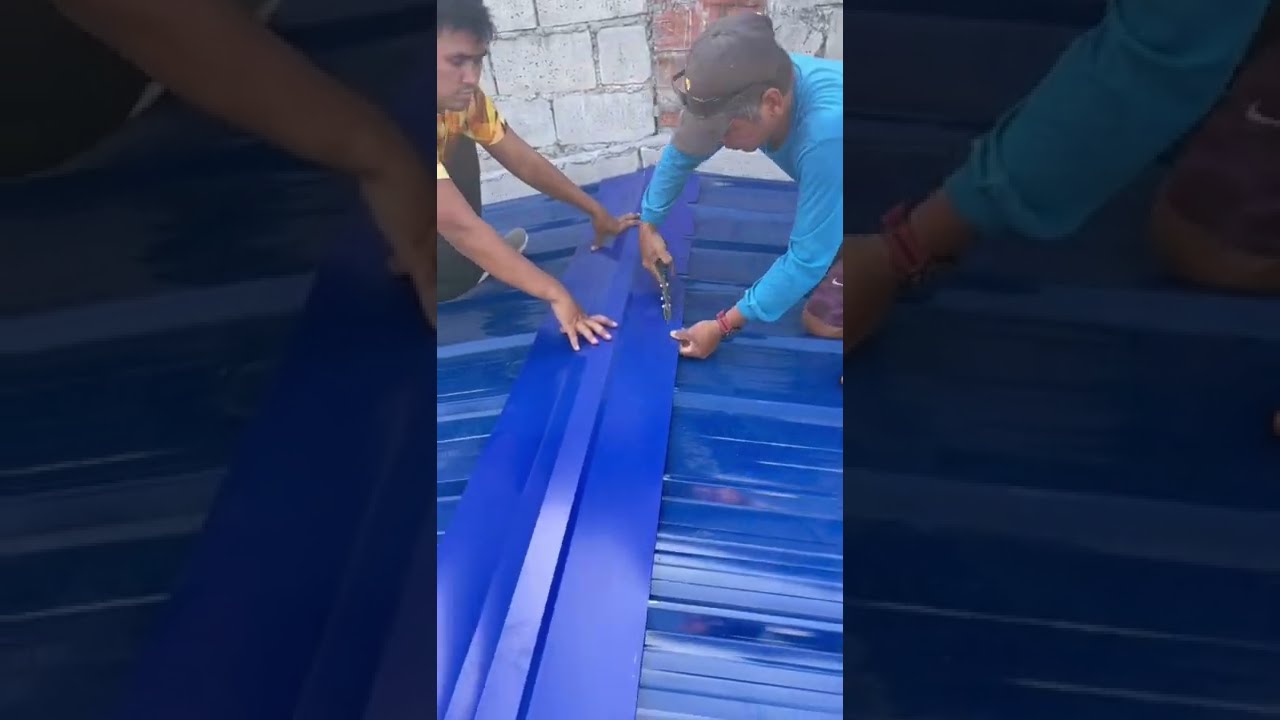
The real value of this approach is trust. Clients want to know that someone who looks at their roof will treat their home with care. They want to know that the advice given is not about pushing a single product but about aligning options with the home’s needs and the client’s goals. That is the standard I hold myself to every time I step onto my response a roof.
Frequently Asked Questions (FAQs)
1) What is the main advantage of clay roof tiles over metal roofs?
Clay tiles offer a classic, timeless look and exceptional color stability, particularly in hot, sunny climates. They resist fading and maintain curb appeal over many decades. Their weight and structural requirements are the main considerations.
2) Are clay tiles more expensive than asphalt shingles?
Initial cost is typically higher for clay tiles due to material and installation complexity. Over the life of the roof, maintenance and replacement costs can balance out or favor clay tiles in regions with harsh weather when properly maintained.
3) Can clay tiles be replaced tile by tile if damaged?
Yes, individual clay tiles can be replaced, but the underlying structure and underlayment must be sound. For some installations, replacing a tile may reveal broader issues that require repair.
4) Do clay tile roofs require more maintenance than metal roofs?
Clay tiles require less frequent maintenance if they are intact and well-sealed, but damaged tiles must be replaced promptly to prevent leaks. Metal roofs typically require less ongoing maintenance but require vigilance for coatings and fasteners.
5) How does climate influence tile selection?
Climate dictates weight considerations, wind uplift, and direct weather exposure. Coastal or high-wind areas require careful detailing to prevent wind-related tile displacement. Hot climates benefit from color stability and thermal performance.
6) What should I consider when evaluating competitors to clay tiles?
Key factors include durability, weight, installation complexity, energy performance, maintenance requirements, and total cost of ownership. Also assess warranties, brand support, and local availability.
Conclusion: Making an Informed Choice for Your Roof
Choosing a roof system is a decision about value as much as appearance. Clay roof tiles remain a benchmark for beauty and durability, but savvy homeowners recognize there are credible competitors that can deliver comparable performance at different price points or with distinct design possibilities. The best approach is to evaluate each option against your climate, structural capacity, aesthetic goals, and long-term budget. Work with a contractor who blends technical expertise with genuine client care, who demonstrates transparent pricing, and who can translate complex data into actionable steps you can trust.
For my team, every project is a partnership. We listen, we measure, we test, and we tailor. Our goal is simple: protect your home, honor its design, and deliver a roof that serves you for decades with minimal surprises. If you’re weighing clay tiles against a modern alternative, start with a clear cost of ownership analysis, a review of your home’s architectural needs, and a plan that fits your lifestyle. The result will be a roof that not only looks right but also performs reliably, season after season.
Final Note on Skills, Trust, and Experience
Throughout my career, I’ve learned that the most durable roofs come from teams that combine technical proficiency with honest dialogue. We don’t promise perfection; we promise reliability, clear communication, and a path to the best possible outcome given the constraints. If you’d like, I can review your project brief, share a tailored comparison matrix, or arrange a site visit to discuss your options in detail. The right roof matters, and the right partner makes all the difference.